When we talk about dementia, the conversation often begins with what has been lost. We talk about memory, medications, falls, safety, behaviors, and the things someone can no longer do independently. As a physician, I understand why these things receive so much attention. They matter.
But after spending more time caring for people living with dementia and their families, I have found myself thinking about a much simpler question: What does a good day look like?
For someone living with dementia, a good day may not sound particularly remarkable. It might begin by waking naturally rather than being rushed out of bed. Maybe there is a familiar breakfast, a cup of coffee, some morning sunlight, and a caregiver who knows that person well enough to understand how they like to start their day.
Later, it might mean going for a walk, working in the garden, stretching, or even dancing to a favorite song. Movement is important for strength, balance, sleep, and maintaining independence, but it can also simply feel good. The same is true of spending time outdoors. Fresh air, sunlight, and being connected to nature can bring a sense of calm and familiarity.
A good meal can be another meaningful part of the day. As dementia progresses, eating and drinking can become more difficult. People may forget to eat, lose interest in food, or have trouble communicating that they are hungry or thirsty. But meals are about much more than nutrition. The smell of familiar food, sitting around a table with others, and enjoying conversation can create connection and sometimes bring back memories that may otherwise be difficult to access.
I also believe one of the most overlooked parts of dementia care is purpose.
As people need more help, our instinct is often to do more for them. Sometimes, without realizing it, we begin doing everything. But most of us want to feel useful regardless of our age or cognitive ability. Folding towels, watering plants, setting the table, helping in the kitchen, sweeping the patio, or tending a garden may seem like small things, but they can provide a sense of accomplishment and belonging.
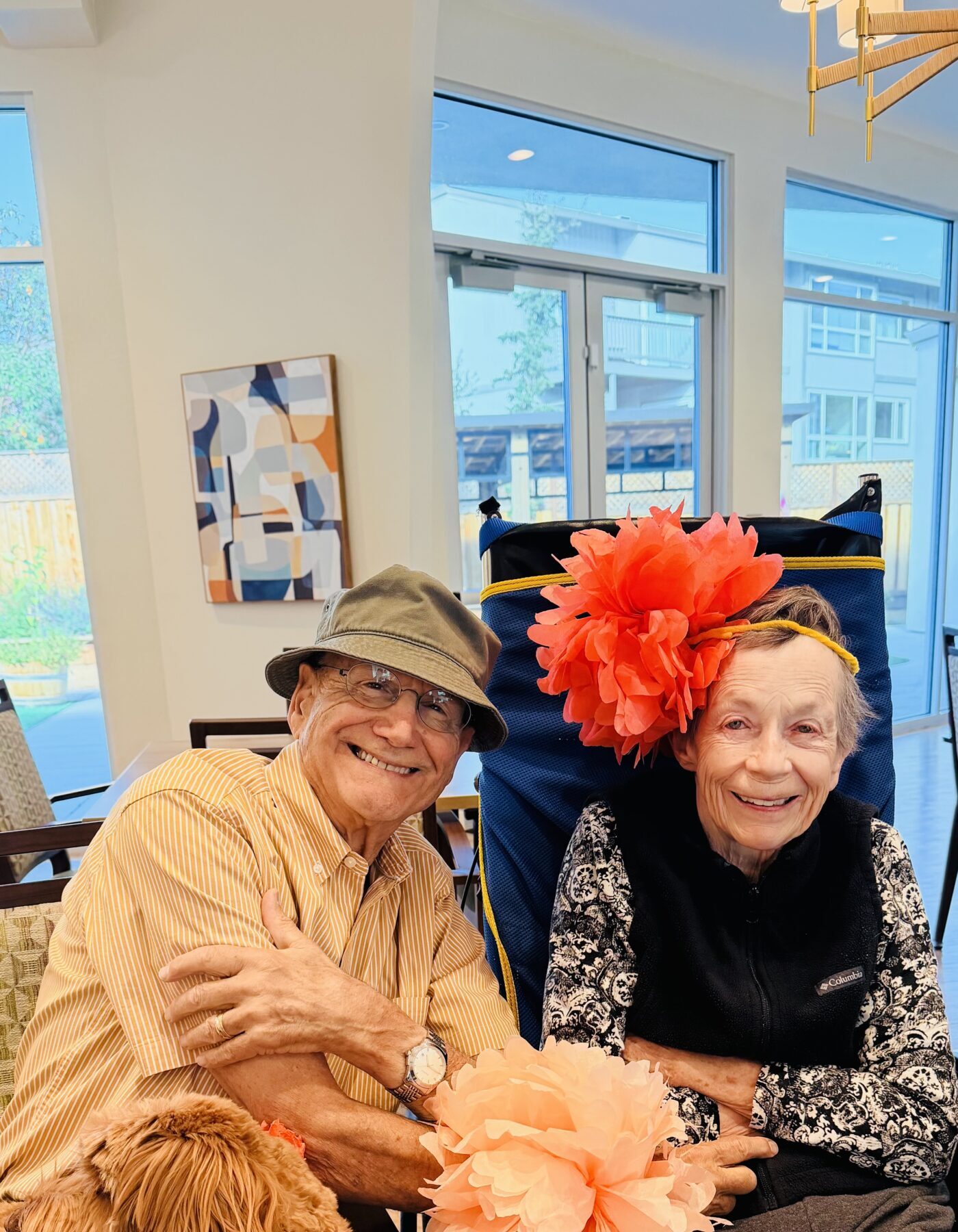
There should also be room for laughter, music, conversation, family, pets, and friendship. And there should be room for doing nothing at all. Dementia can make the world increasingly difficult to interpret, and constantly being directed from one activity to another can become exhausting. Quiet moments, rest, and familiar routines matter too.
When a difficult moment does occur, I try to remember that behavior is often a form of communication. Someone who is restless, anxious, withdrawn, or refusing care may be telling us something even when they cannot put it into words. They may be tired, hungry, frightened, lonely, in pain, overstimulated, or simply confused about what we are asking them to do. Before asking, “How do we stop this behavior?” we should first ask, “What might this person need?”
Good dementia care certainly requires attention to medications, safety, medical conditions, and the progression of disease. But those things should support life rather than define it.
We may not be able to change someone’s diagnosis. We can, however, influence how that person experiences today.
In the end, perhaps the question that matters most is a simple one: Did this person have a good day?