Caring for a loved one with dementia is an act of deep devotion – one that brings moments of joy, connection, and purpose. Yet for many families, it can also feel overwhelming and emotionally exhausting. Caregiver stress is not a sign of inadequacy; it is a natural response to the constant responsibilities and shifting emotions that accompany cognitive decline.
As we continue the conversation about modern memory care, it is important to recognize that dementia affects more than the individual diagnosed – it reshapes the lives of everyone who loves them. Just as people with memory loss deserve structure, compassion, and evidence-based support, their caregivers also need understanding and resources that help them feel less alone. When families are supported and connected, both they and their loved ones benefit.
Caregiver burnout often develops gradually. It may look like persistent fatigue, rising stress, difficulty making decisions, or a quiet withdrawal from social activities. Many caregivers hesitate to express how overwhelmed they feel, worrying that needing help somehow diminishes their dedication. But prioritizing one’s own wellbeing is not a detour from caregiving – it is an essential part of sustaining it. Dementia is a long, evolving journey, and no one is meant to walk it alone.
There are small, attainable ways caregivers can support themselves. Establishing simple routines, taking brief breaks throughout the day, staying connected with others, and finding moments of movement or quiet reflection can all bring steadiness back into daily life. While these habits do not remove the challenges of dementia, they help caregivers navigate them with greater resilience.
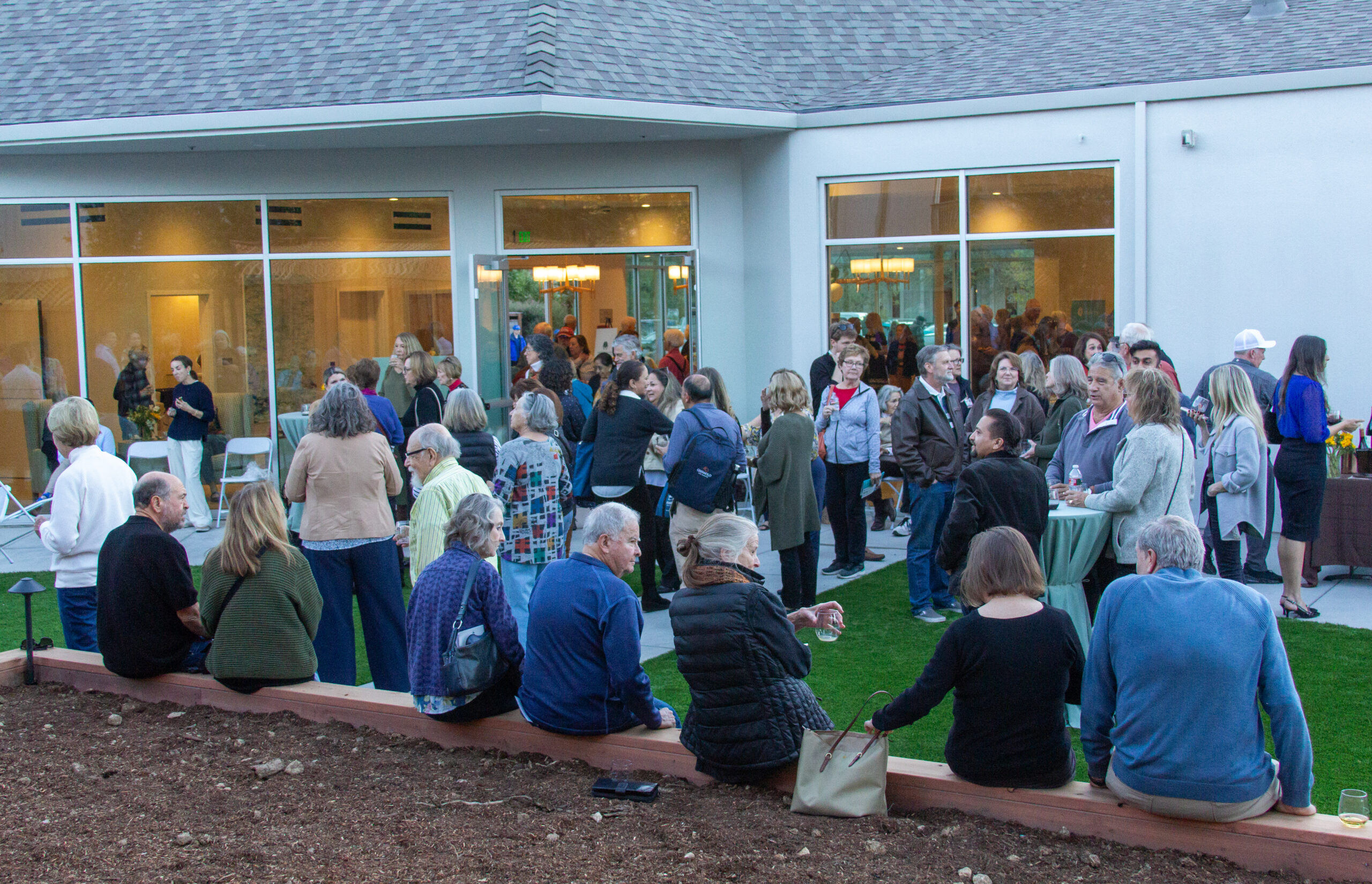
Community also plays a crucial role. Many families share that simply talking to others who understand their experience offers immense relief. Knowing that their feelings are valid – and shared – brings comfort and connection. Respite opportunities, supportive conversations, and educational resources can all help caregivers regain balance.
When I envisioned Aroha Memory Care, I wanted it to be not only a supportive home for residents but also a place where families feel understood and connected throughout their journey. Our approach is rooted in the belief that caregivers deserve guidance, reassurance, and a true sense of partnership. As we grow, our aim is to offer resources that help families feel more confident navigating the changes that come with cognitive decline. This will include educational opportunities, supportive gatherings, and communication practices designed to make it easier for families to stay informed, involved, and engaged.
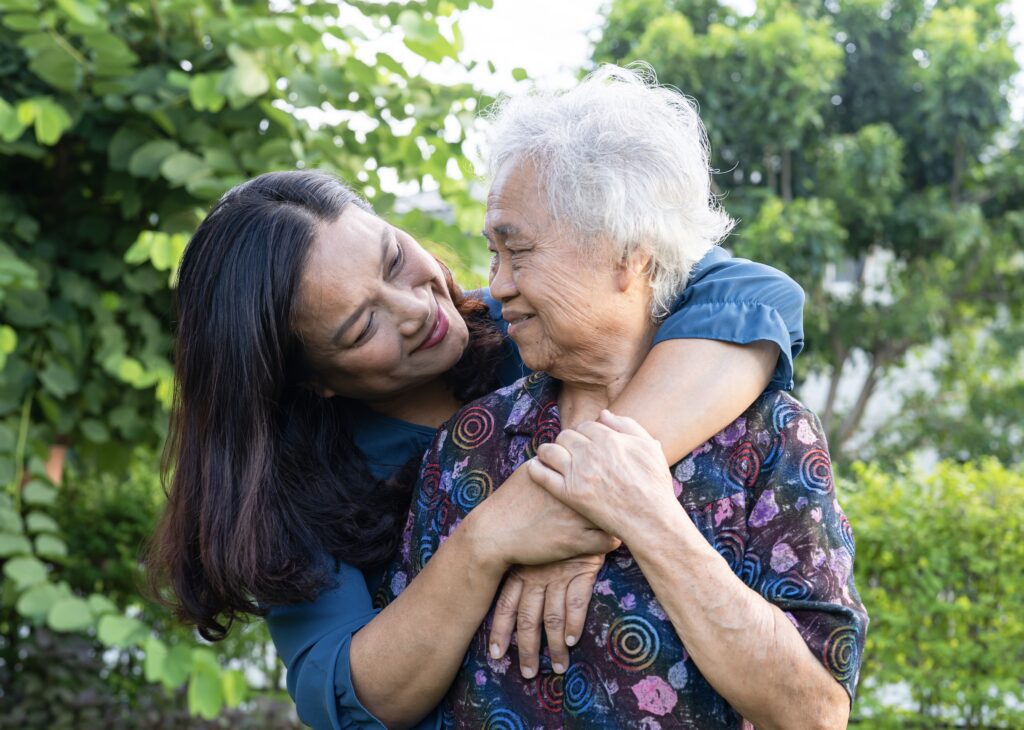
Even as dementia brings changes, many families continue to find moments of tenderness and meaning – holding hands, sharing a smile, listening to familiar music. These moments may look different than they once did, but they remain deeply significant. Connection does not disappear; it simply evolves.
Caring for someone with memory loss is one of the greatest expressions of love. My hope is that caregivers feel supported, seen, and strengthened by the community around them. At Aroha Memory Care, we are committed to walking alongside families as they navigate this journey, offering not only care for residents but also reassurance, guidance, and hope for those who love them.